Solar Energy
Clean power from the sun — part of what makes ours a carbon-negative campus.
Our USP
30 acres, a 10-acre river body and more than 10,000 trees — a campus that grows its own food, recycles every drop of water and runs on the sun.
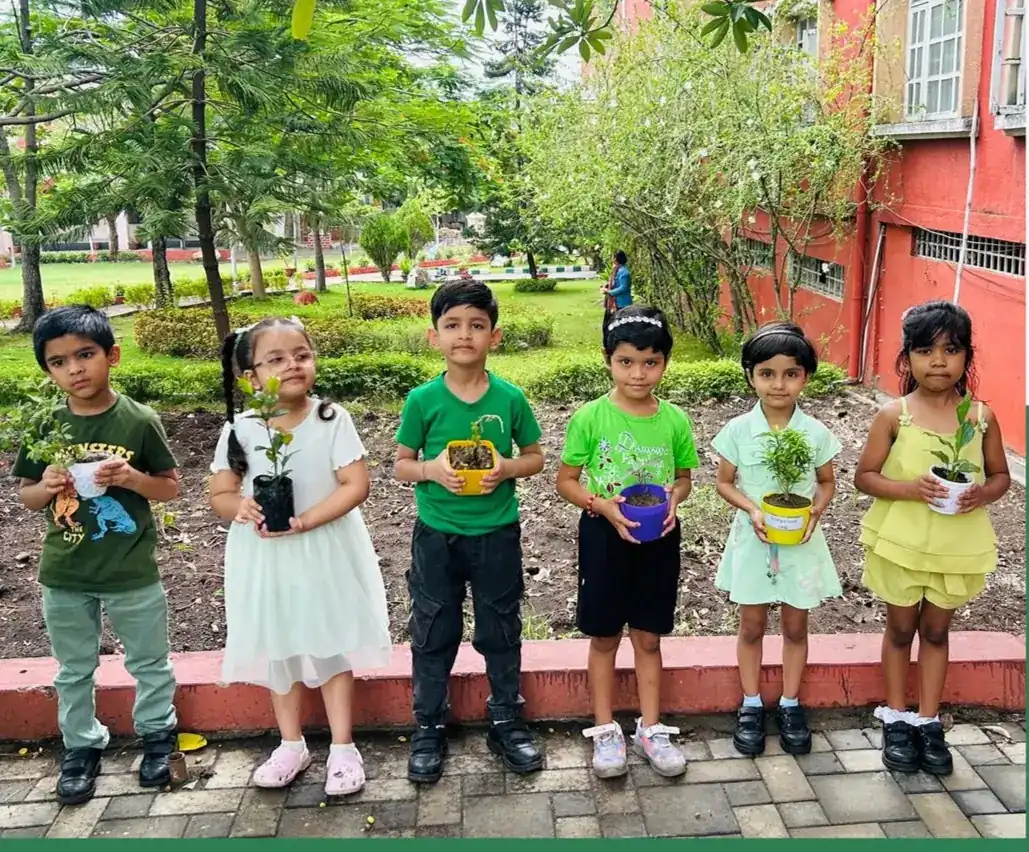
DPS Chhindwara sits on a 30-acre campus with its own 10-acre river body — a natural ecosystem that students live and learn in every day. Biogas plants, rainwater harvesting and fish aquaponics irrigation work together, every drop of water is recycled, and solar energy powers the campus. With more than 10,000 trees of many different varieties, ours is a carbon-negative campus.
Tap any part of the cycle to see how it feeds the next.
Clean power from the sun runs the campus — a big step to being carbon-negative.
Clean power from the sun runs the campus — a big step to being carbon-negative.
Every monsoon is captured and stored, so rain becomes the campus water supply.
Water, birds and fish — a living river body inside our 30-acre campus.
Nutrient-rich water from the fish tanks irrigates the crops — nothing is wasted.
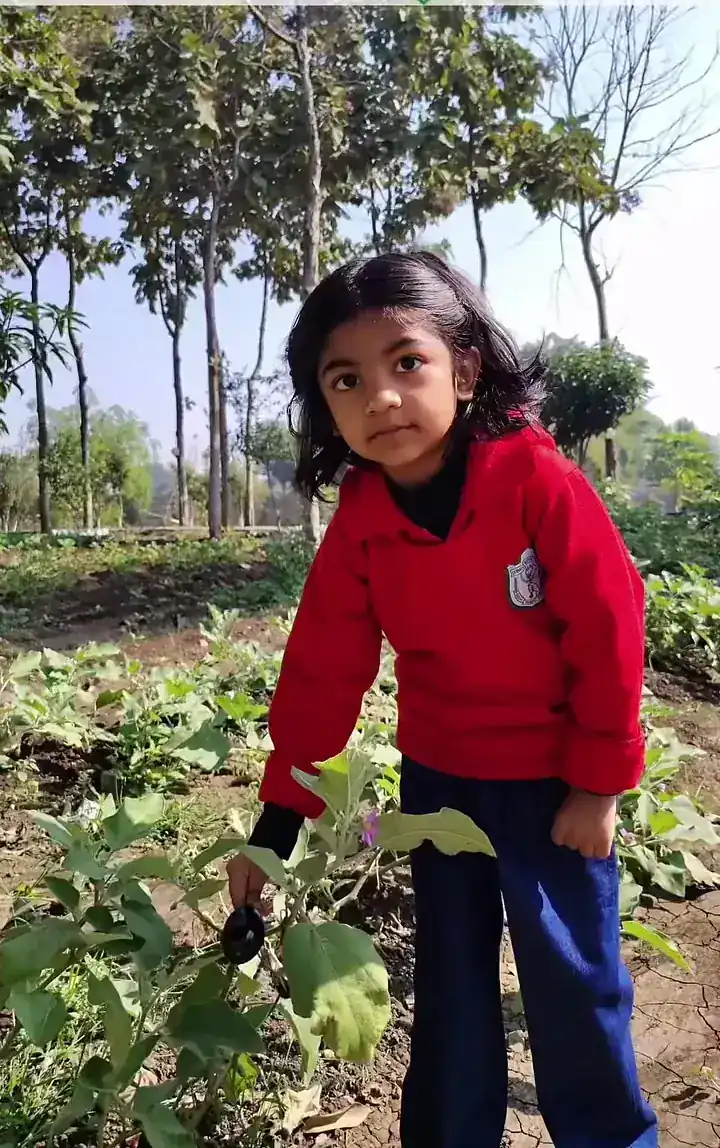
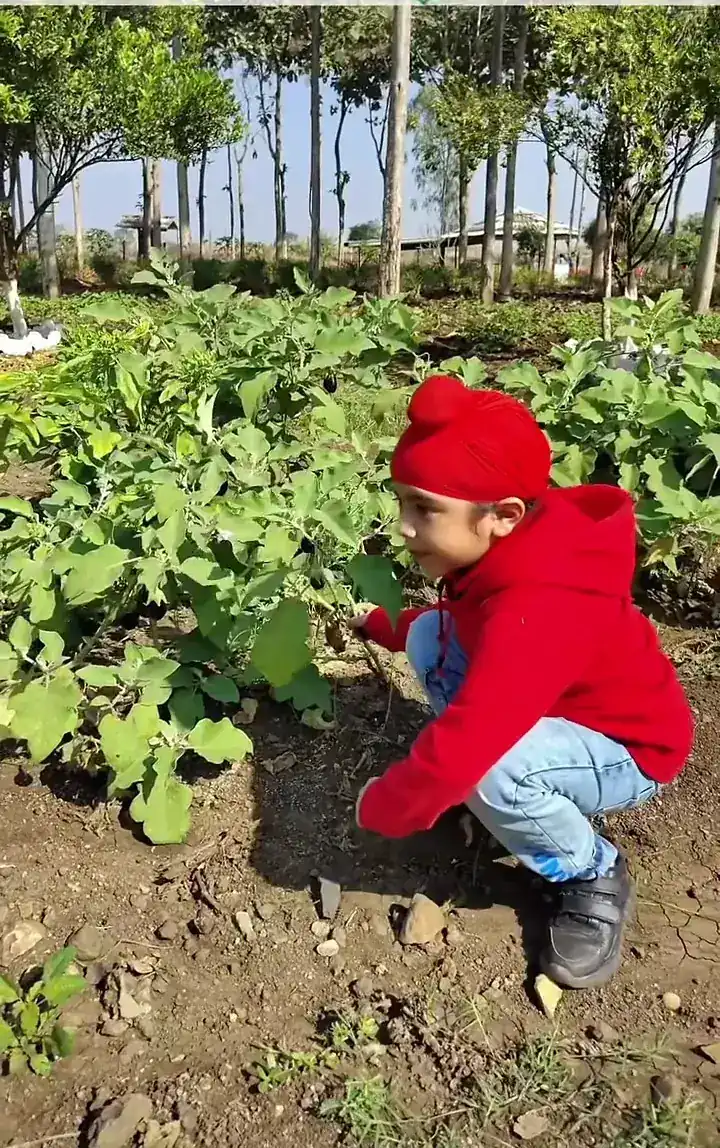
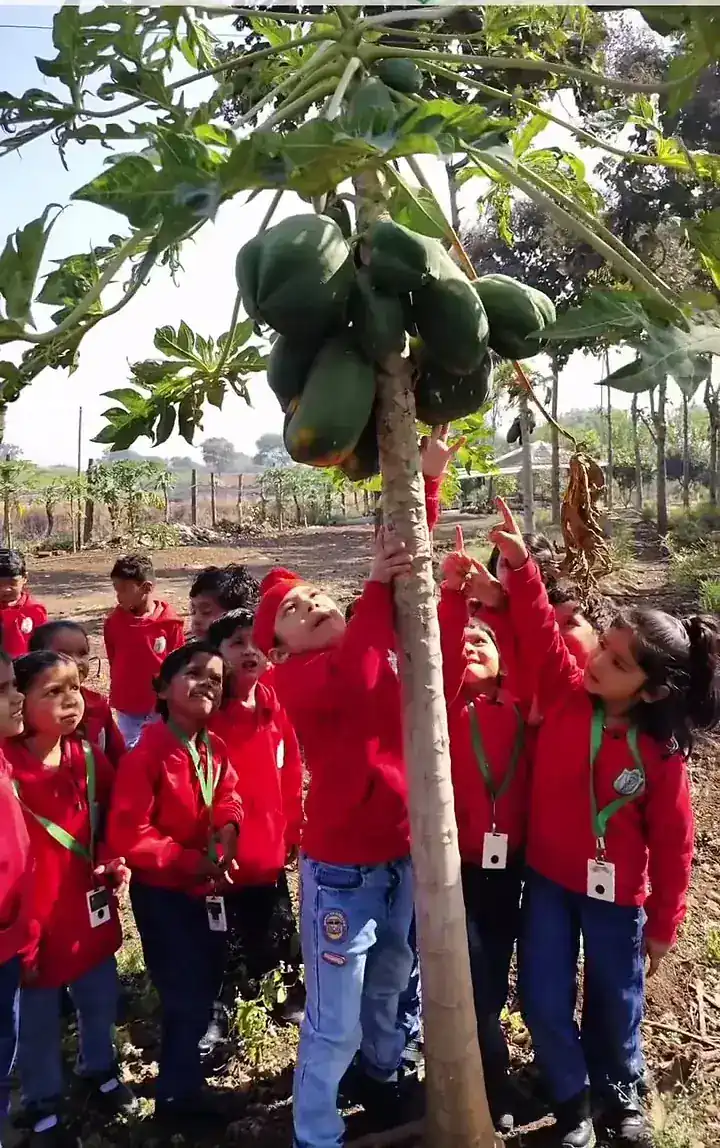
Fruits, vegetables and pulses grown on campus. Students pluck them, learn how food grows, and eat what they harvest.
From the farm to the dining hall the same day — fresh, seasonal and vegetarian.
Kitchen waste and cow dung become cooking gas, and the slurry goes back to feed the soil.
Fresh milk, curd, ghee and paneer for our students, from our own indigenous Gir cows.
Farm to fork
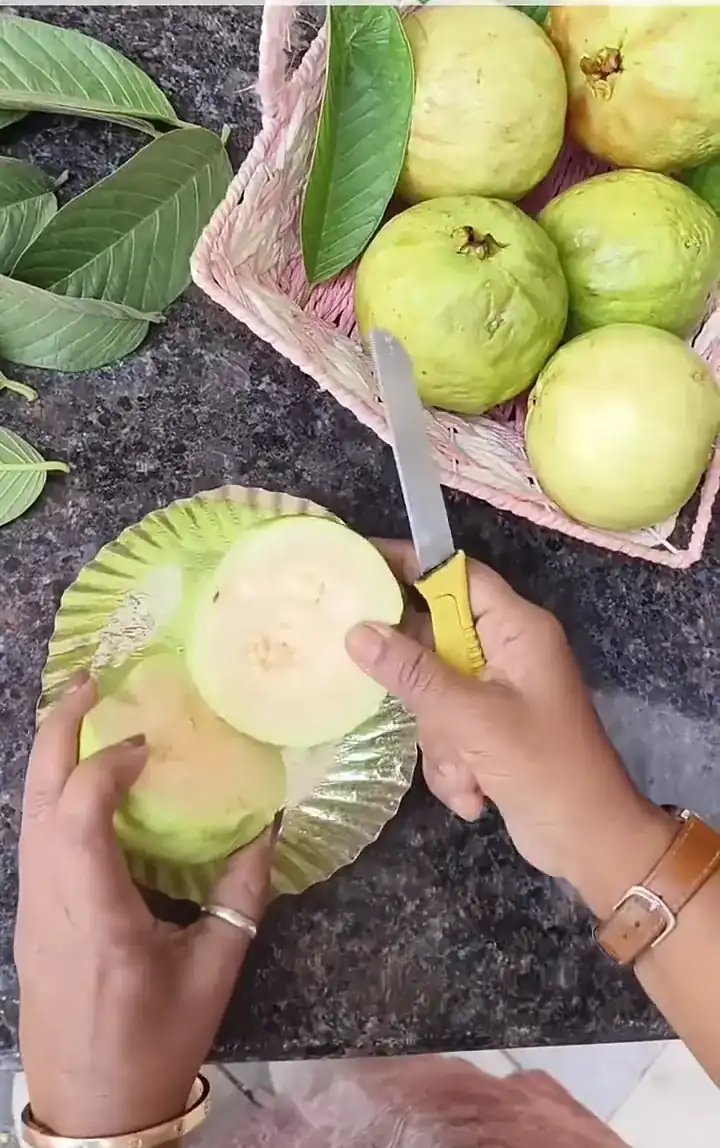
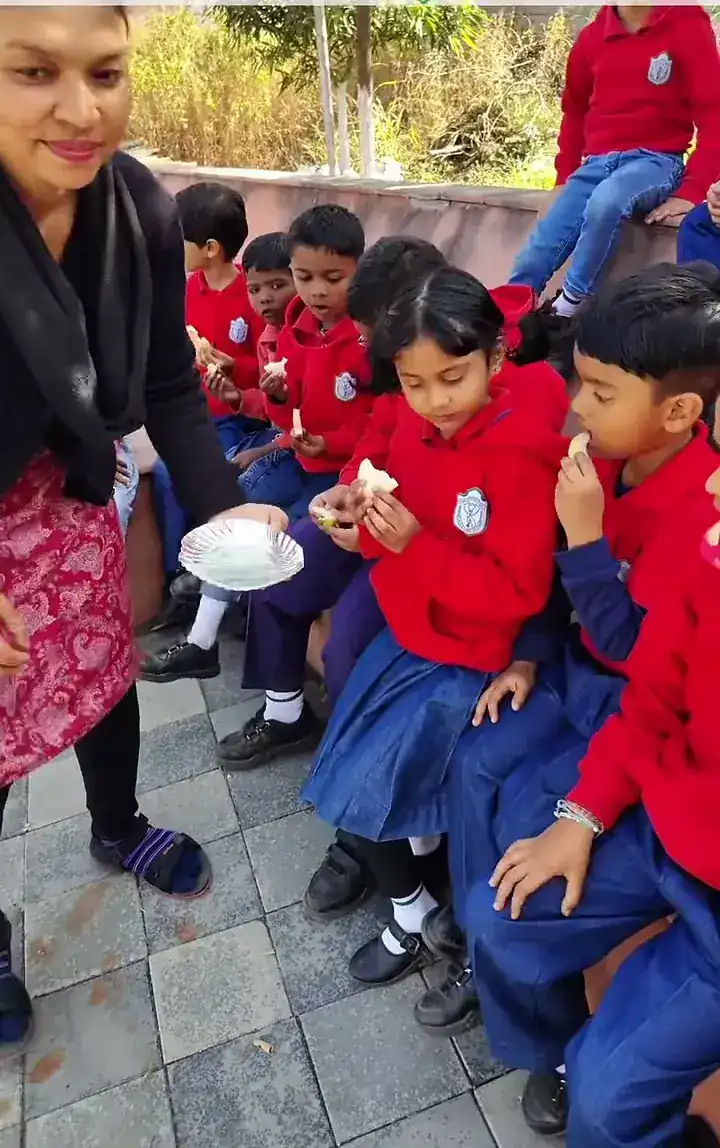
We grow our own vegetables, fruits and pulses on campus. Students pluck fruits and vegetables to learn how food grows — and then eat what they harvest. More than 20 Gir cows give us fresh milk, curd, ghee and paneer.
Clean power from the sun — part of what makes ours a carbon-negative campus.
Every monsoon is captured and stored, and all water on campus is recycled.
Water from the fish irrigates our crops — a working science lesson on our 10-acre river body.
Our biogas plant has run since 2022-23 with a 75–80 litre capacity — fed by cow dung, recycled water and green campus waste.
Fresh milk, curd, ghee and paneer for our students, from our own indigenous Gir cows.
From a visit by our youngest learners: picking vegetables, harvesting papayas and guavas, and tasting what grows on our own campus.
Walk the farm, meet our Gir cows and see the river body on a campus tour.
Share a few details. The admissions office will call or WhatsApp you.